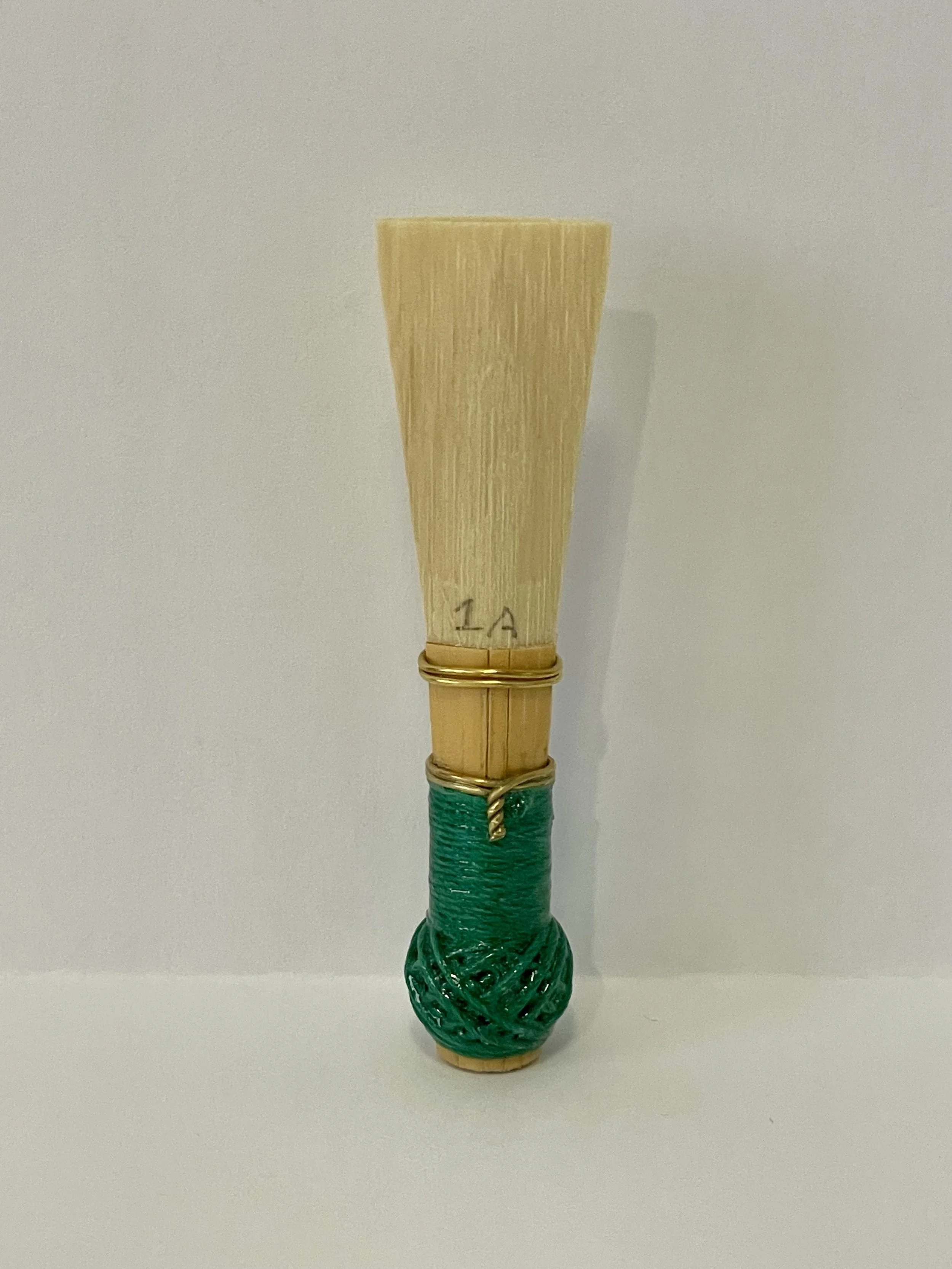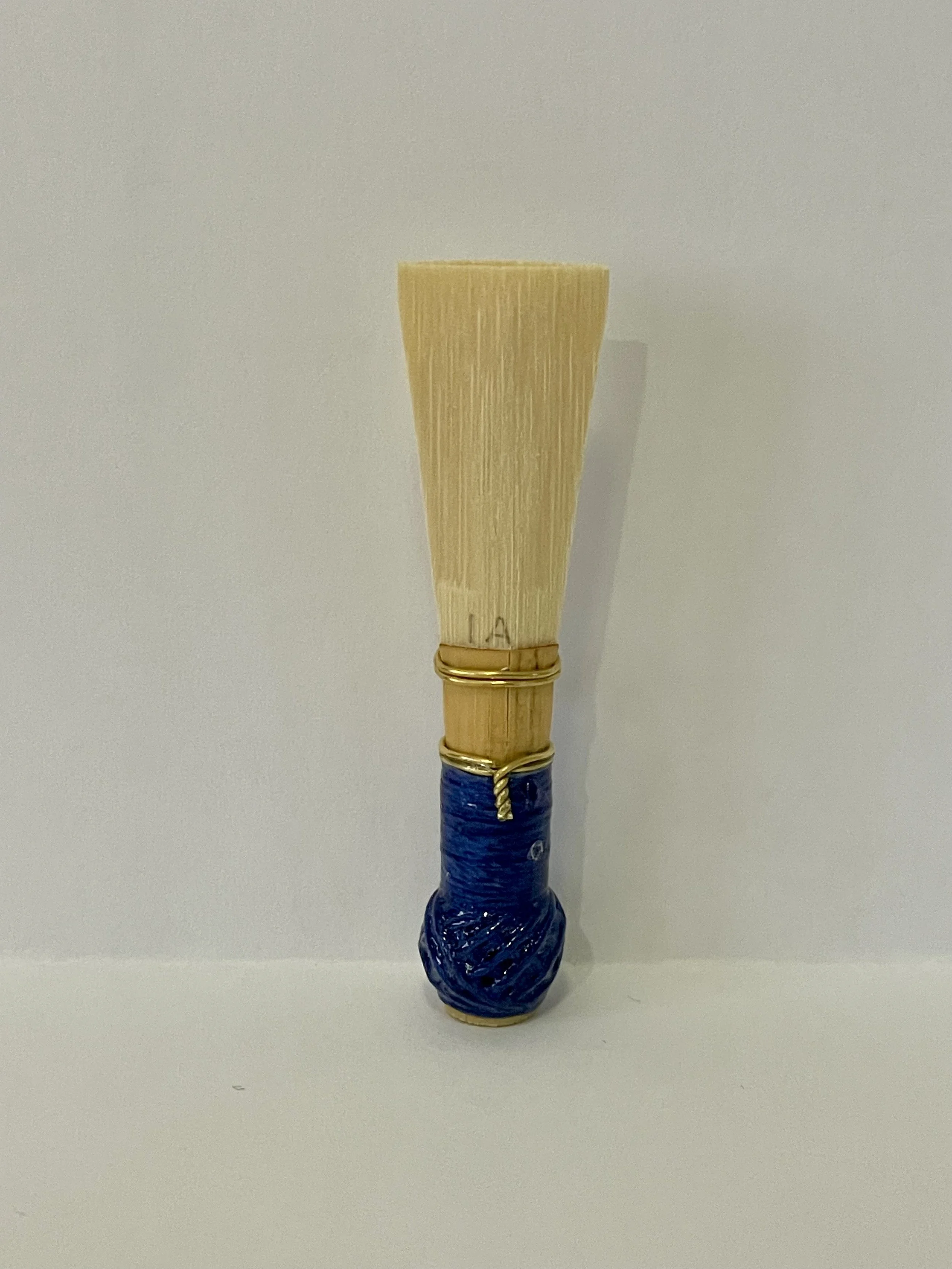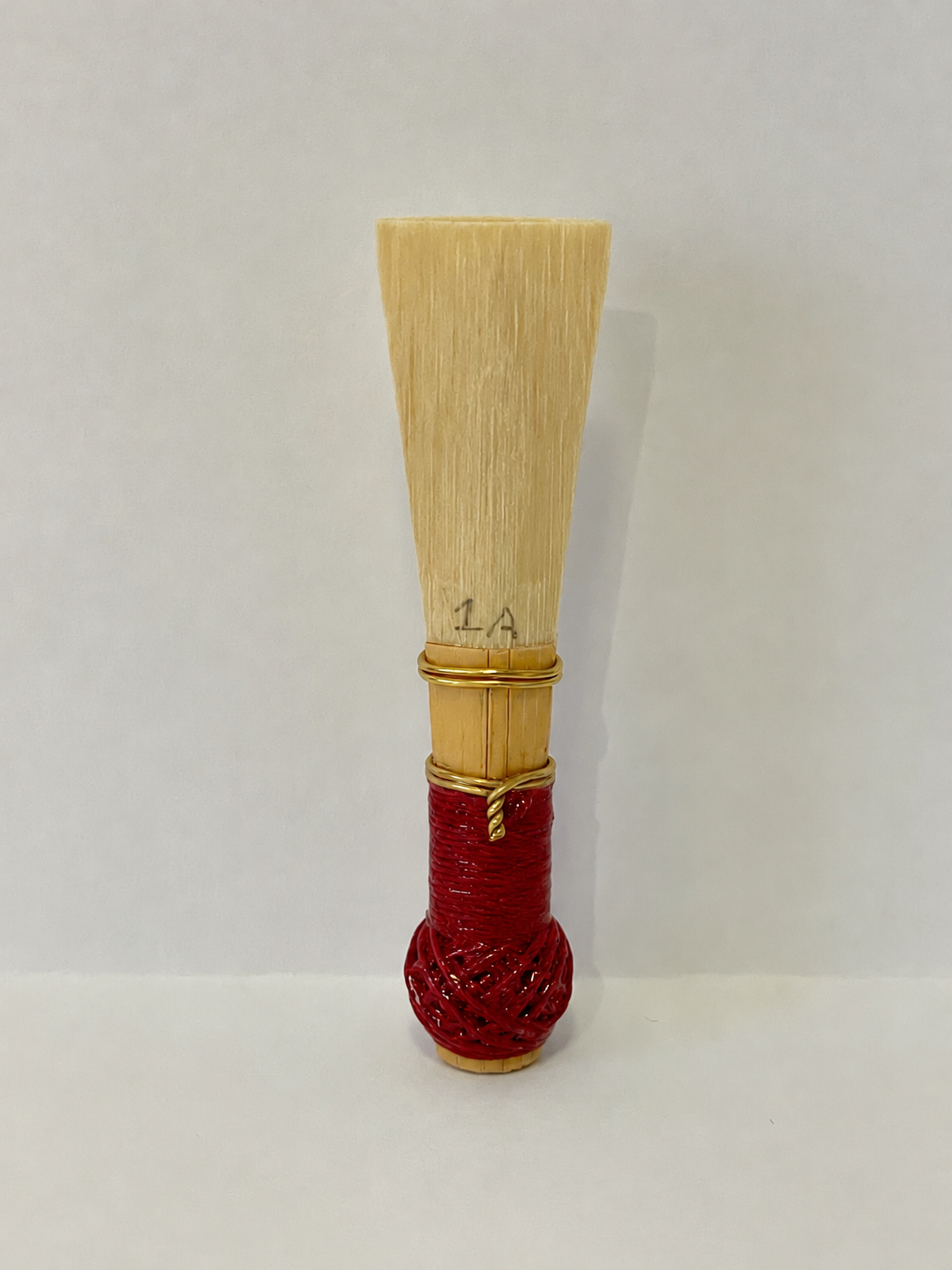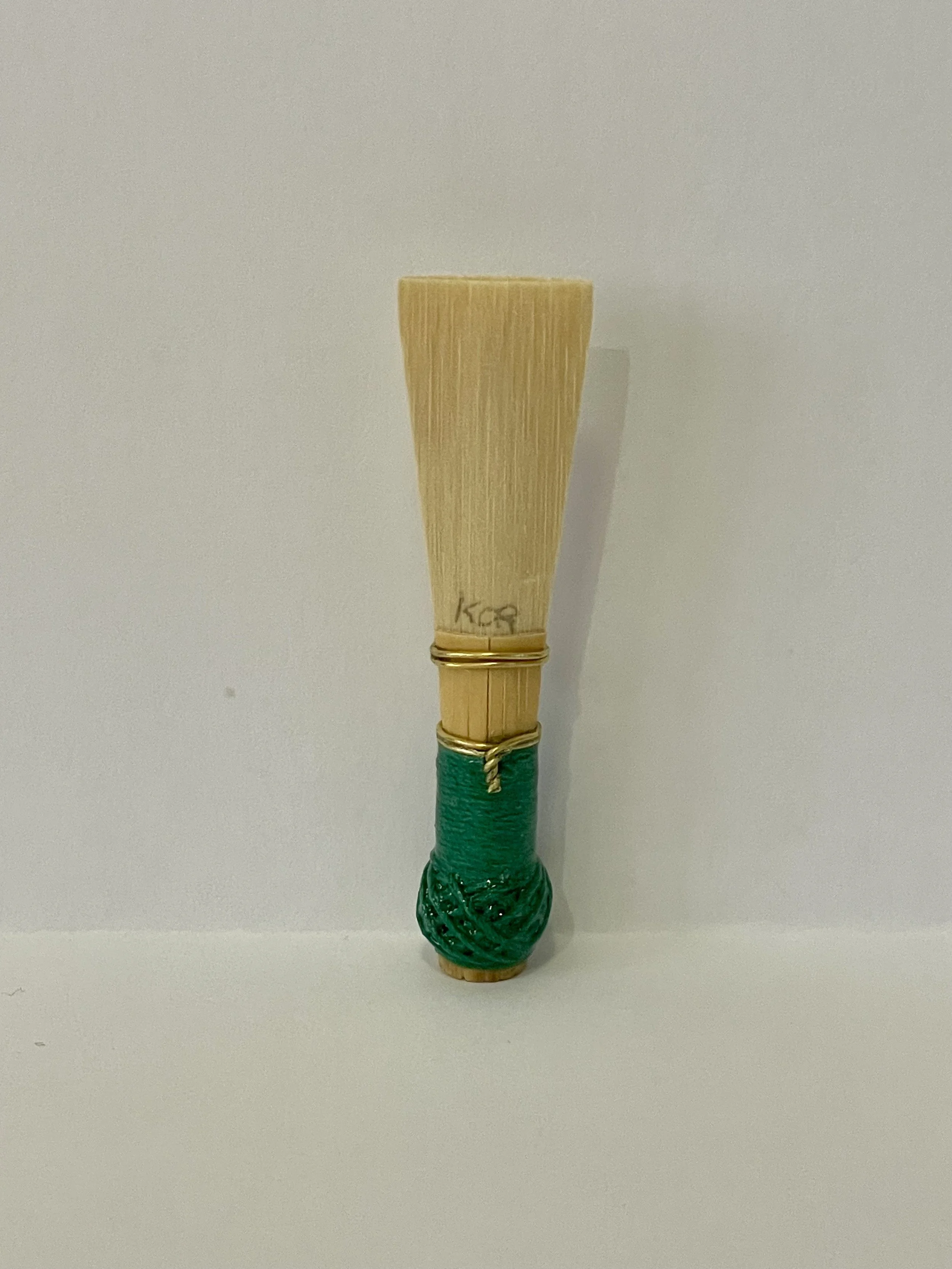
Inside My Reedmaking Workshop
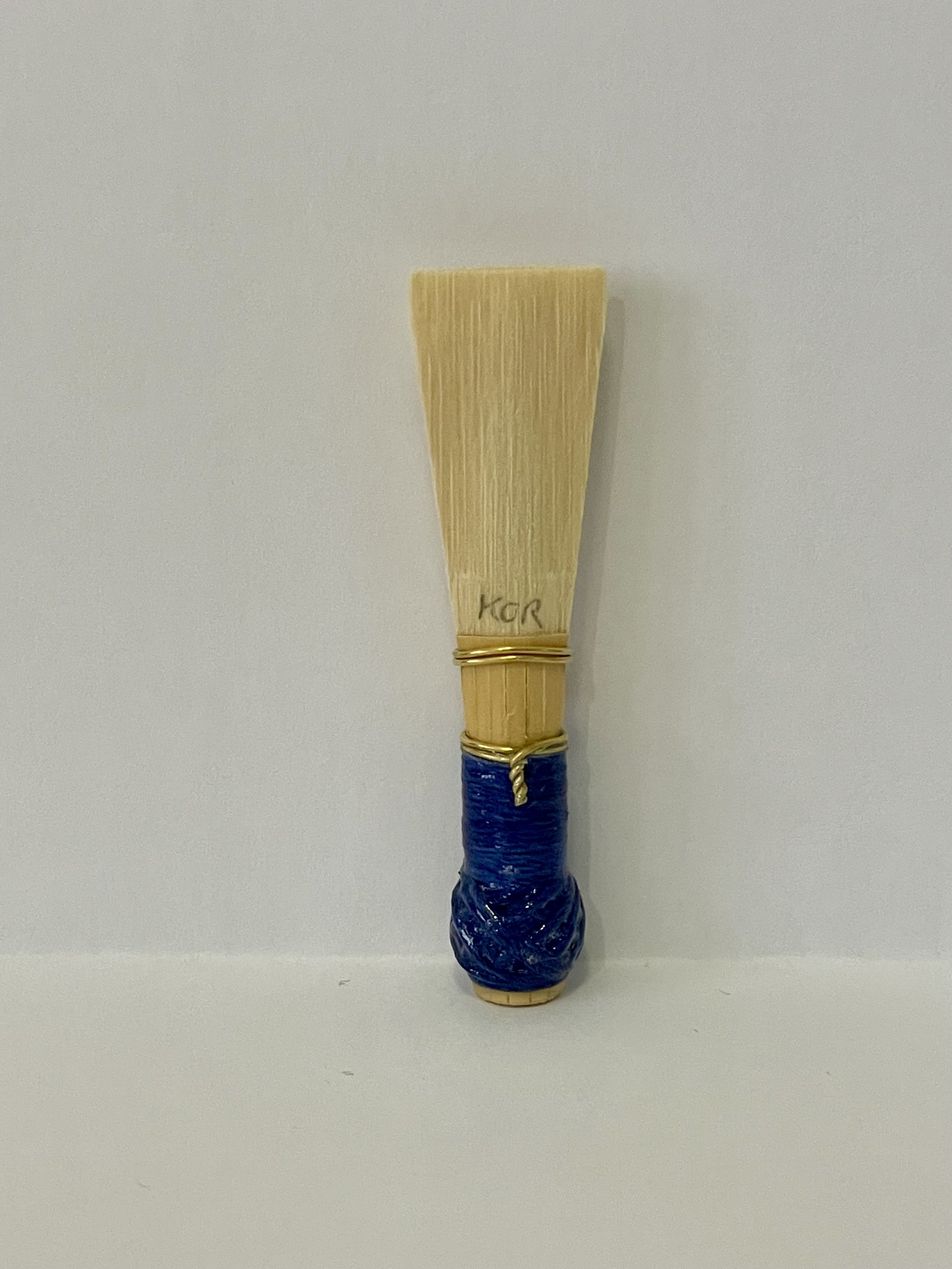
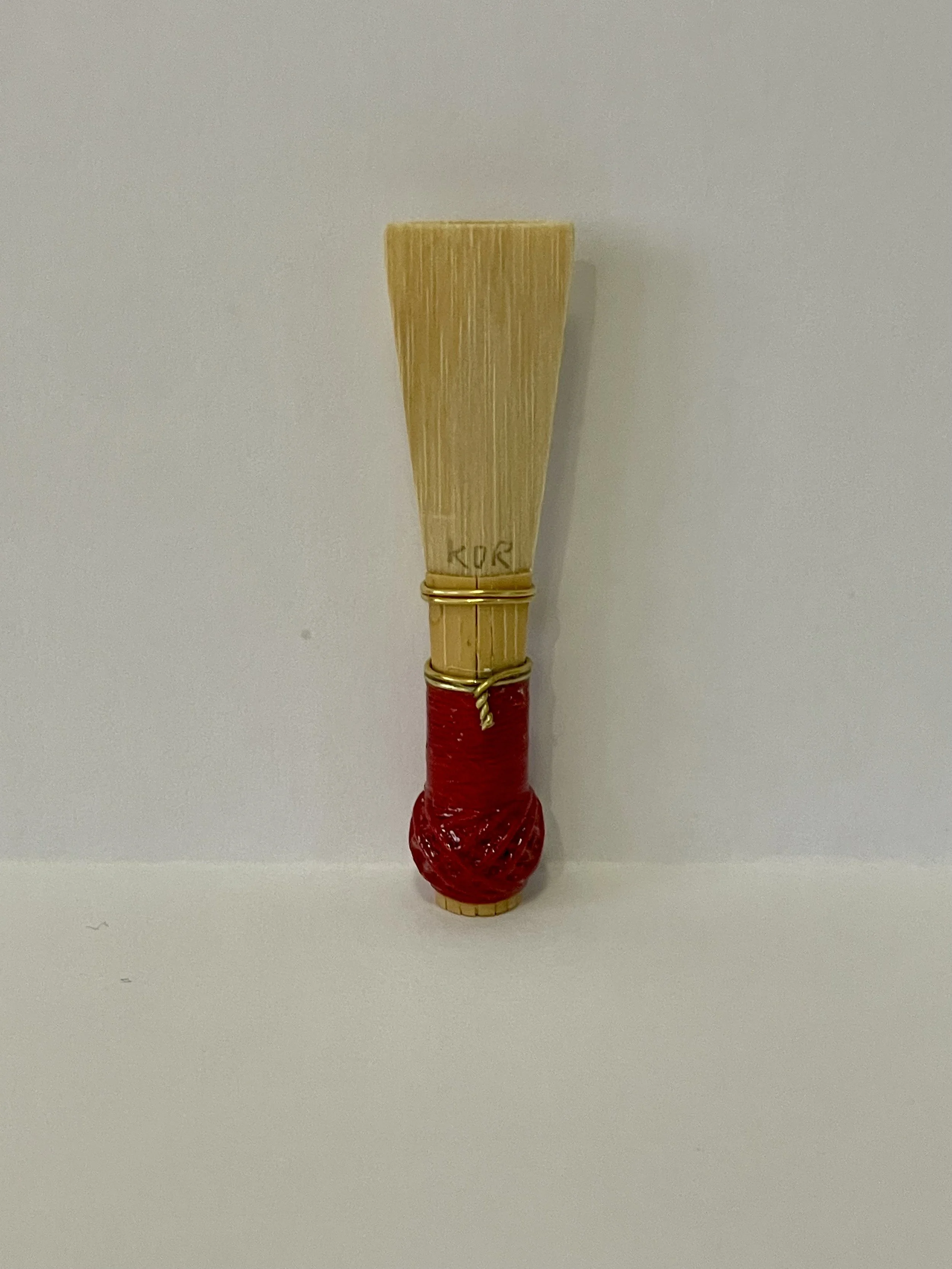
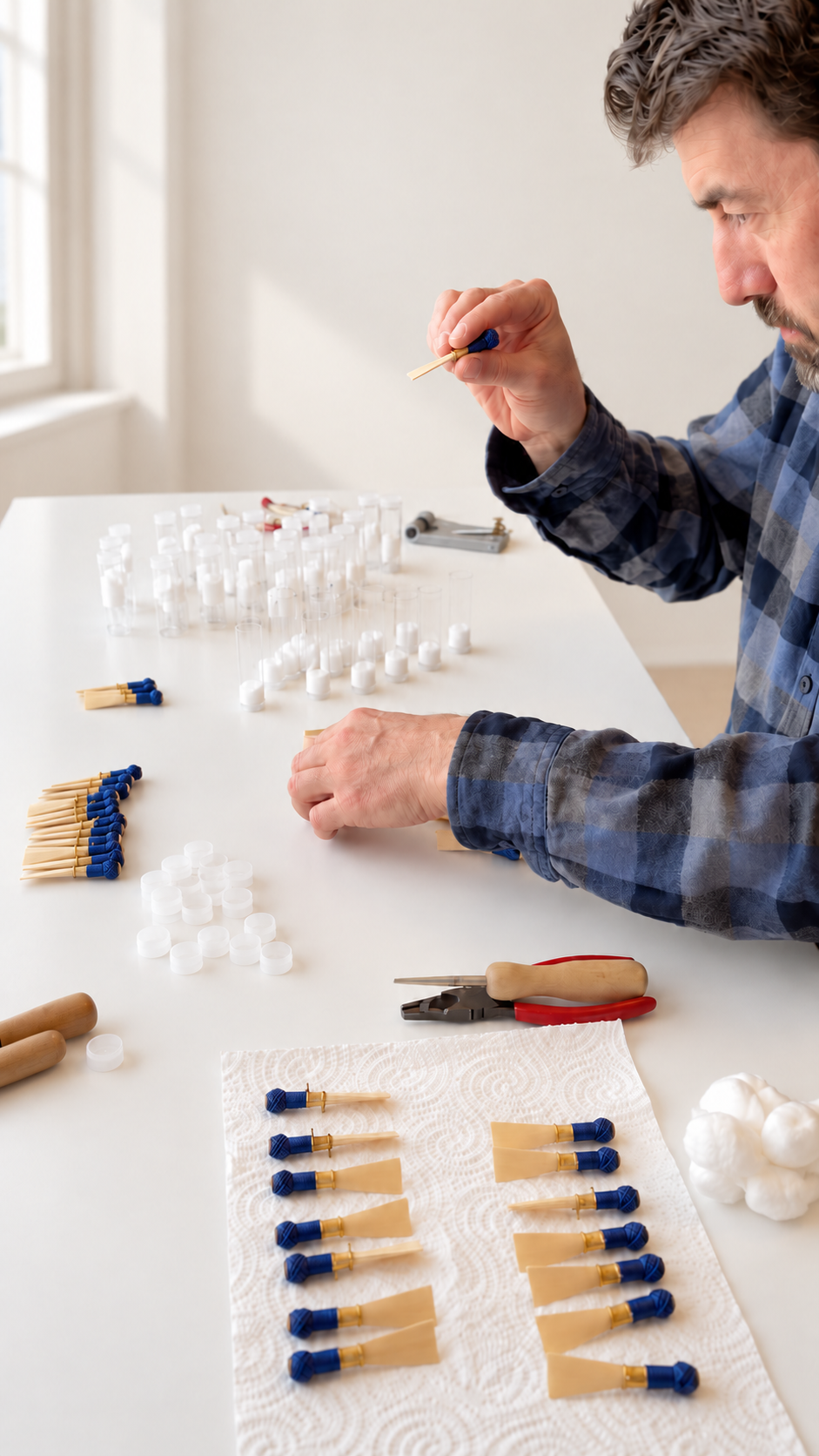
Every bassoon reed is individually crafted and adjusted, with an emphasis on sound quality, response, consistency and a rewarding playing experience.
Since beginning reedmaking in 2007 with Andrew Barnes, my approach has continued to evolve through further study with Yoshi Ishikawa, experimentation, and the knowledge and experience gained from numerous festivals, workshops and lessons with leading bassoonists and reedmakers.
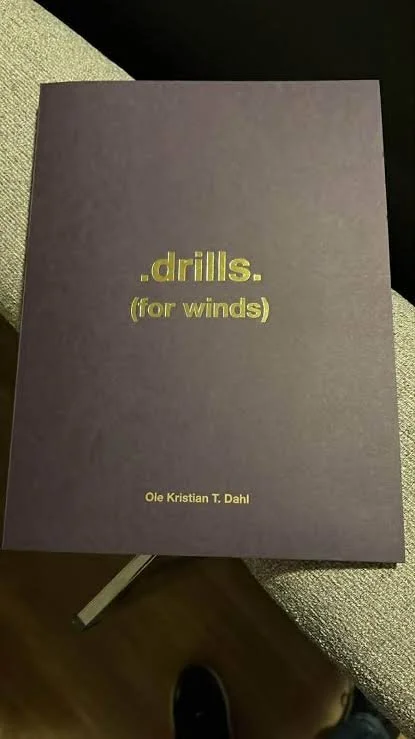
In 2025, I travelled to Mannheim, Germany, to study privately with Ole Kristian Dahl. During my visit, I gained a deeper understanding of his approach to bassoon playing, as well as his reedmaking methods, tools and techniques. This experience has further influenced my reedmaking, and I have since incorporated his tools into my workshop, including one of his tip profilers.
Cane selection is central to my reedmaking process. All cane is individually hardness-tested to maintain quality and consistency, while also allowing me to offer a range of options. By pairing carefully selected shapes and cane, I aim to create reeds that suit players of all levels, from students to professionals, across a wide range of playing styles and musical demands.
Getting The Most From Your Reed
Before playing, dip your reed in fresh water, then set it aside. This allows the cane to absorb water evenly and helps prepare it for playing. Repeat the process if necessary. Avoid over-soaking, as excessive moisture can negatively affect the reed's performance and longevity.
When breaking in a new reed, I recommend playing it for approximately 5–15 minutes every second day. As the reed develops, gradually increase the playing time and begin exploring the upper register. During this period, periodically check and adjust the wires and tip opening as required to maintain a comfortable response, sound quality and playing feel. Over several weeks, the reed should gradually stabilise and develop its optimal playing qualities.
As the reed settles, minor adjustments may be beneficial. Particular attention can be given to the rails (the outer edges of the blades), where a fine nail file or knife can be used to establish a smooth, even taper from front to back. Some light blending, particularly towards the tip, may also help refine the response and balance. However, extensive additional work is not necessary.
My reeds are designed to offer flexibility while maintaining stability, thanks in part to their slightly thicker profile and carefully refined channels. The additional thickness provides stability, while the profiling of the channels allows the blades to vibrate freely and remain responsive.
My reeds respond particularly well to fast, active airflow and an open oral cavity. Rather than closing down on the reed with excessive lip and jaw pressure, I encourage players to maintain an open vertical aperture, with the corners of the mouth gently drawn inward, allowing the reed to vibrate freely and produce a full, resonant sound.